
A Buyer’s Guide to Sourcing Furniture, Lighting & Home Accessories

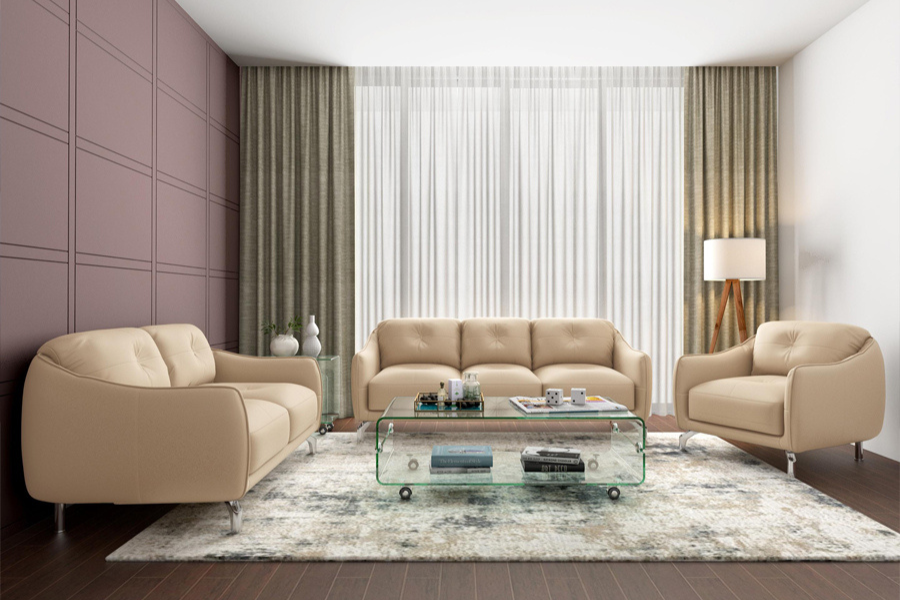
Creating a beautiful, functional space—whether for a home, hotel, or retail store—starts with sourcing the right furniture, lighting, and décor. But behind every well-designed space is a careful buying process that balances aesthetics, quality, cost, and reliability.
This guide walks you through everything you need to know to source furniture, lighting, and home accessories effectively—without costly mistakes.
1. Start with a Clear Vision
Before contacting suppliers or browsing catalogs, define your vision.
Ask yourself:
- What style are you aiming for? (modern, traditional, rustic, minimalist, luxury)
- Who is the end user?
- What mood should the space evoke?
- What is your budget range?
Creating a mood board with colors, textures, and reference images helps ensure consistency across all items you source.
2. Understand the Three Core Categories
Furniture
This includes essential pieces like sofas, beds, tables, and storage units. Focus on:
- Comfort and ergonomics
- Material durability (solid wood, engineered wood, metal, upholstery)
- Size and proportion
Lighting
Lighting is both functional and decorative. Categories include:
- Ambient lighting (general illumination)
- Task lighting (focused, e.g., desk lamps)
- Accent lighting (highlighting décor or architecture)
Home Accessories
These are the finishing touches:
- Rugs, cushions, curtains
- Wall art and mirrors
- Decorative objects
Accessories bring personality and complete the space.
3. Choose the Right Sourcing Channels
Local Manufacturers & Artisans
Ideal for customization and unique designs. Regions like Rajasthan are known for handcrafted furniture and décor.
Wholesale Markets
Great for bulk buying at competitive prices. However, quality can vary, so careful inspection is essential.
Online B2B Platforms
Convenient for comparing multiple suppliers, but requires strong vetting before placing orders.
Trade Shows & Exhibitions
Offer hands-on experience with products and direct interaction with suppliers.
4. Evaluate Quality Like a Pro
Never rely solely on images.
For Furniture:
- Check joinery (screwed and glued is better than stapled)
- Test stability and weight
- Inspect finishing and polish
For Lighting:
- Verify wiring quality and safety certifications
- Check compatibility with local voltage
- Assess material durability (metal, glass, fabric shades)
For Accessories:
- Look at detailing and craftsmanship
- Ensure color consistency
- Check for defects or fragility
Always request samples before bulk orders.
5. Balance Aesthetics with Functionality
A stunning piece that doesn’t serve its purpose is a poor investment.
- A sofa should be comfortable, not just stylish
- Lighting should provide adequate brightness, not just visual appeal
- Accessories should enhance the space without cluttering it
Design is where beauty meets usability.
6. Understand Pricing & Hidden Costs
The listed price is rarely the final cost.
Factor in:
- Transportation and logistics
- Packaging
- Taxes and duties
- Installation costs (especially for lighting)
Also consider long-term value—cheap products may cost more in replacements.
7. Check Supplier Reliability
A great product means little if the supplier is unreliable.
Evaluate:
- Communication responsiveness
- Production timelines
- Past client reviews
- Return and damage policies
Consistency is more valuable than occasional perfection.
8. Plan Logistics & Delivery
Furniture and lighting often require careful handling.
- Confirm packaging standards
- Ask about insurance during transit
- Plan storage space before delivery
- Schedule installation timelines in advance
Delays in logistics can disrupt entire projects.
9. Mix Custom & Ready-Made Pieces
A smart sourcing strategy combines both:
- Use ready-made items for speed and cost efficiency
- Invest in custom pieces for standout elements
This balance keeps budgets under control while maintaining uniqueness.
10. Think Long-Term
Avoid trend-driven impulse buying.
Instead:
- Choose timeless designs for major pieces
- Use accessories to experiment with trends
- Prioritize durability and ease of maintenance
Good sourcing isn’t just about today—it’s about how the space performs over time.
Final Thoughts
Sourcing furniture, lighting, and home accessories is both an art and a strategy. It requires a keen eye for design, attention to detail, and strong supplier management.
When done right, it transforms empty spaces into environments that feel cohesive, functional, and inspiring.
Take your time, verify your sources, and always prioritize quality and reliability. The result will not only look good—but last.